Skip to content
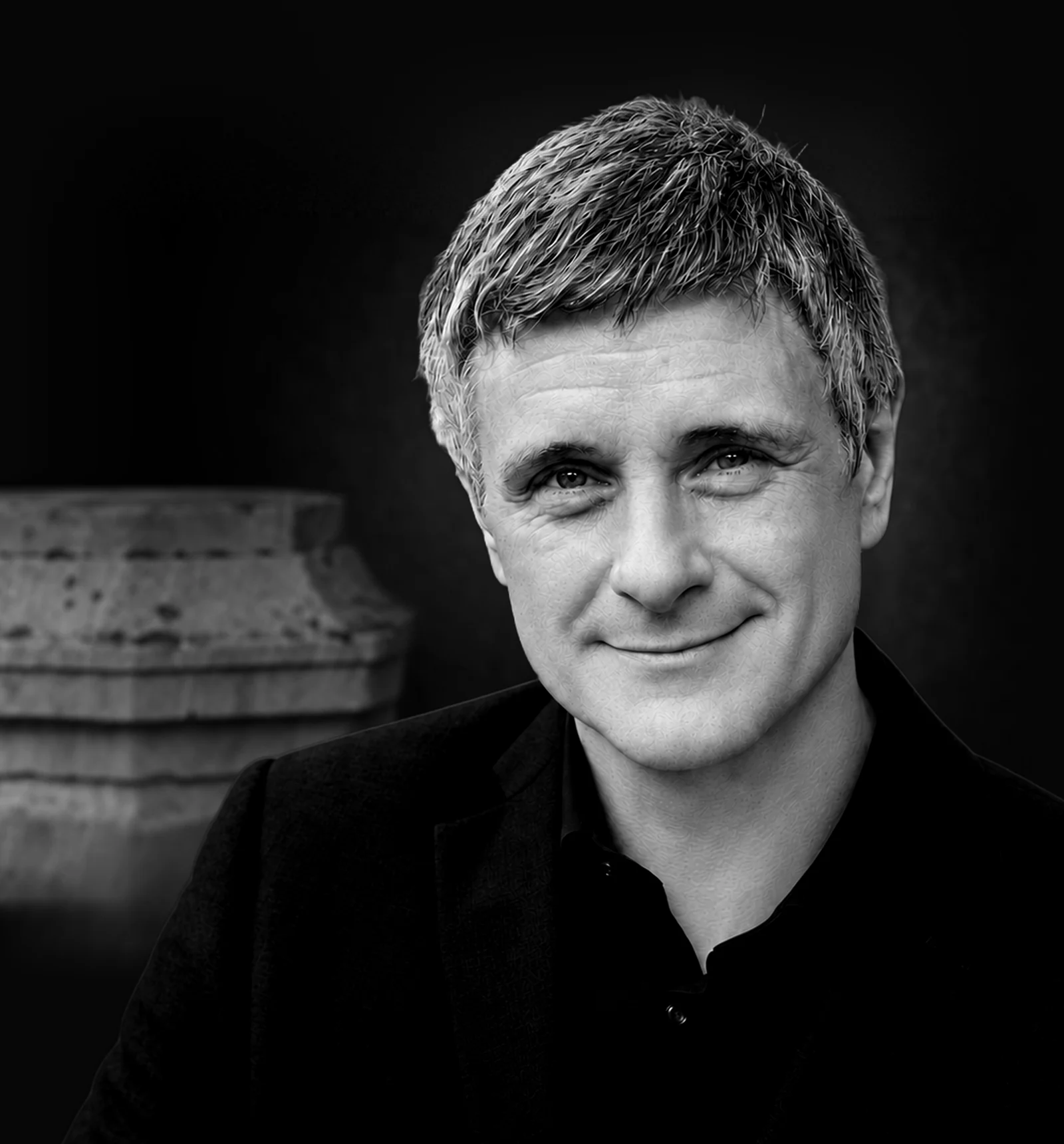
Luis Poza-García, host of Historyas, beside a carved stone column

Spanish history and legend told by candlelight.Historia y leyenda de España contadas a la luz de una vela.

Historyas is a podcast for anyone who uses English to communicate or to learn, and wants to practice Spanish through storytelling, the way language has traveled through tales for thousands of years.Historyas es un pódcast para quien usa el inglés para comunicarse o para aprender, y quiere practicar español a través de historias, como la lengua ha viajado de relato en relato durante miles de años.

Each episode is one story, a legend or an intriguing scene from history, with you at the center of it, whispered in your ear.Cada episodio es una historia, una leyenda o una escena intrigante del pasado, contigo en el centro, susurrada al oído.

Expect a supernatural, macabre edge: witches on trial in the Basque mountains, a werewolf standing trial in Galicia, ghosts, hauntings, and the things nobody could fully explain. Some stories turn genuinely scary, especially for young kids. Plenty of other listeners, of all ages, love exactly that part. Listen at your own discretion.Espera un toque sobrenatural y macabro: brujas juzgadas en los montes vascos, un hombre lobo ante un tribunal en Galicia, fantasmas, apariciones y cosas que nadie ha podido explicar del todo. Algunos episodios dan miedo de verdad, sobre todo a los más pequeños. A muchos otros oyentes, de todas las edades, les encanta justo eso. Escucha bajo tu propia responsabilidad.

If your Spanish is not quite there yet, no problema. Each episode sets the scene in English, then turns to Spanish: the legend still told across the country, and the historical facts beneath it. Listen once, as if it were music. You will understand more than you think. Then listen again with the transcript, which comes with every episode, along with the translation and a key vocabulary list.Si tu español todavía no está del todo ahí, no hay problema. Cada episodio sitúa la escena en inglés y luego pasa al español: la leyenda que aún se cuenta por todo el país, y los hechos históricos que hay debajo. Escúchalo una vez, como si fuera música. Entenderás más de lo que crees. Después, vuelve a escucharlo con la transcripción, que acompaña a cada episodio junto con la traducción y una lista de vocabulario clave.

Los hispanohablantes también lo pasarán de miedo.

TrailerTráiler
Browse the episodesVer los episodios
Trailer 1 · El CidTráiler 1 · El Cid

“El Cid was dead. We all saw him die.”«El Cid estaba muerto. Todos lo vimos morir.»

Valencia, 1099. Watch the trailer and read the script beside it, as narrated. Hover over a line, or tap it, to see it in Spanish.Valencia, 1099. Mira el tráiler y lee el guion al lado, tal como se narra. Pasa el cursor por una frase, o tócala, para verla en español.

Listen onEscúchalo en
Support the showApoya el pódcast

Help make the next story.Ayuda a hacer la próxima historia.

Every episode takes research, writing, music and long hours at the microphone. If a story was worth something to you, you can support the next one. Every penny goes straight into making the next episode.Cada episodio lleva investigación, escritura, música y muchas horas delante del micrófono. Si una historia ha significado algo para ti, puedes apoyar la siguiente. Cada céntimo va directo a hacer el próximo episodio.

Support on Ko-fiApoya en Ko-fi
HistoryasTrailer 1Tráiler 1

El Cid

Trailer 1 · Valencia, 1099Tráiler 1 · Valencia, 1099

1
The scriptEl guionEl Cid

Hover over a line, or tap it, for the translation.Pasa el cursor por una frase, o tócala, para ver la traducción.

Bienvenidos. Esto es Historyas.

Bienvenidos. Welcome. Esto es Historyas.

El Cid estaba muerto. Todos lo vimos morir.

El Cid was dead. We all saw him die.

España. 1099.

Spain. 1099.

Sus caballeros lo vieron morir. El ejército invasor, que se agolpaba a las puertas de Valencia, lo vio morir.

His knights saw him die. The invading army, pressing at the gates of Valencia, saw him die.

Su mujer, Jimena, lo vio desde las murallas. Su grito atravesó el campo en el instante en que la flecha lo alcanzó.

His wife, Jimena, watched from the walls. Her scream tearing across the field the instant the arrow found him.

Eso fue hace tres días. Pero esta mañana, bajo un cielo azul mediterráneo que ciega, se abren las puertas de Valencia.

That was three days ago. But this morning, under a blinding blue Mediterranean sky, the gates of Valencia open.

Algo brilla con la luz antes de convertirse en una figura: un caballero. El sol naciente se refleja en su armadura y lanza un destello de acero hacia la llanura.

Something catches the light before it resolves into a shape: a knight. The rising sun reflects on his armor, sending a flash of steel out to the plain.

Y ahí está.

And there he is.

Inconfundible. Montado en su caballo, Babieca. Con su estandarte en alto. Y los ojos abiertos. Fijos al frente.

Unmistakable. Mounted on his horse, Babieca. His banner raised. And his eyes, open. Fixed straight ahead.

Y si hubieras estado allí, de pie en esa llanura, bajo esa luz cegadora, habrías jurado, solo por un segundo, que te estaba mirando a ti.

And if you had been there, standing on that plain, in that blinding light, you might have sworn, just for a second, that he was looking right at you.

Soy Luis Poza García. Y esta noche, en español, te voy a contar la muerte del Cid, el héroe español de la Edad Media. Y cómo le tocó a su mujer, Jimena, tomar decisiones que nadie debería tener que tomar nunca.

I’m Luis Poza García. And tonight, in Spanish, I’m going to tell you all about the death of El Cid, the Spanish hero of the Middle Ages. And how it fell to his wife, Jimena, to make decisions no one should ever have to make.

Key vocabularyVocabulario clave

el caballero
the knight
las murallas
the city walls
las puertas
the gates
el ejército
the army
la flecha
the arrow
el grito
the scream
la armadura
the armor
el destello
the flash, the glint
la llanura
the plain
el estandarte
the banner
inconfundible
unmistakable
cegador, cegadora
blinding

A note on pronunciation · Castilian SpanishNota de pronunciación · español de España

Valencia /th/ The c before e or i sounds like the th in English “think”: va-LEN-thia.La c delante de e o i suena como la th inglesa de “think”: va-LEN-thia.

Jimena /h/ The j sounds like a strong h, breathed from the back of the throat: hee-MEH-nah.La j suena como una h fuerte, que sale del fondo de la garganta: hee-MEH-nah.

2
HistoryasTrailer 2Tráiler 2

El Cid

Trailer 2 · Valencia, 1099Tráiler 2 · Valencia, 1099

1
The scriptEl guionEl Cid

Hover over a line, or tap it, for the translation.Pasa el cursor por una frase, o tócala, para ver la traducción.

El Cid había muerto, sí. Tres días antes. Y su esposa, su querida Jimena, vestida de negro, de riguroso luto, había tomado la última decisión.

El Cid had died, yes. Three days earlier. And his wife, his beloved Jimena, dressed in black, in strict mourning, had made the final decision.

Iban a poner el cadáver de su esposo, atado a su caballo. Y hacerlo salir a una última batalla. Al frente de sus tropas. Como tantas veces había hecho.

They would set her husband’s body on his horse, tied in place. And send him out to one last battle. At the head of his troops. As he had done so many times.

El objetivo: provocar el miedo en el enemigo. En aquellos que le habían dado su nombre: Al-sayyid. El Cid. El Señor.

The aim: to strike fear into the enemy. Into the very people who had given him his name: Al-sayyid. El Cid. The Lord.

Ahora. Las puertas de Valencia se abren.

Now. The gates of Valencia open.

Y ahí está. El Cid, montado en su caballo, Babieca. Su estandarte en alto. Y sus ojos, abiertos.

And there he is. El Cid, mounted on his horse, Babieca. His banner raised. And his eyes, open.

Ahí está. El Cid. Muerto. A caballo.

There he is. El Cid. Dead. On horseback.

Key vocabularyVocabulario clave

la esposa, el esposo
the wife, the husband
de riguroso luto
in strict mourning
el cadáver
the corpse, the body
atado, atada
tied, bound
la batalla
the battle
al frente de
at the head of
las tropas
the troops
el miedo
fear
el enemigo
the enemy
el estandarte
the banner
montado en
mounted on, riding
a caballo
on horseback

A note on pronunciation · Castilian SpanishNota de pronunciación · español de España

Valencia /th/ The c before e or i sounds like the th in English “think”: va-LEN-thia.La c delante de e o i suena como la th inglesa de “think”: va-LEN-thia.

Jimena /h/ The j sounds like a strong h, breathed from the back of the throat: hee-MEH-nah.La j suena como una h fuerte, que sale del fondo de la garganta: hee-MEH-nah.

2
Try itPruébalo

Read the Spanish. Tap when you need the English.Lee en español. Toca cuando necesites el inglés.

Three lines from El Cid. Hover over a paragraph, or tap it, to lay the English over it, and tap an underlined word for its meaning. Every transcript works this way, in whichever language the episode is narrated.Tres frases de El Cid. Pasa el cursor por un párrafo, o tócalo, para ver el inglés encima, y toca una palabra subrayada para ver su significado. Así funcionan todas las transcripciones, en el idioma en que se narra cada episodio.

Open the full episode and transcriptAbrir el episodio y la transcripción completa

El Cid había muerto, sí. Tres días antes. Y su esposa, su querida Jimena, vestida de negro, de riguroso luto, había tomado la última decisión.

El Cid had died, yes. Three days earlier. And his wife, his beloved Jimena, dressed in black, in strict mourning, had made the final decision.

Y ahí está. El Cid, montado en su caballo, Babieca. Su estandarte en alto. Y sus ojos, abiertos.

And there he is. El Cid, mounted on his horse, Babieca. His banner raised. And his eyes, open.

Ahí está. El Cid. Muerto. A caballo.

There he is. El Cid. Dead. On horseback.